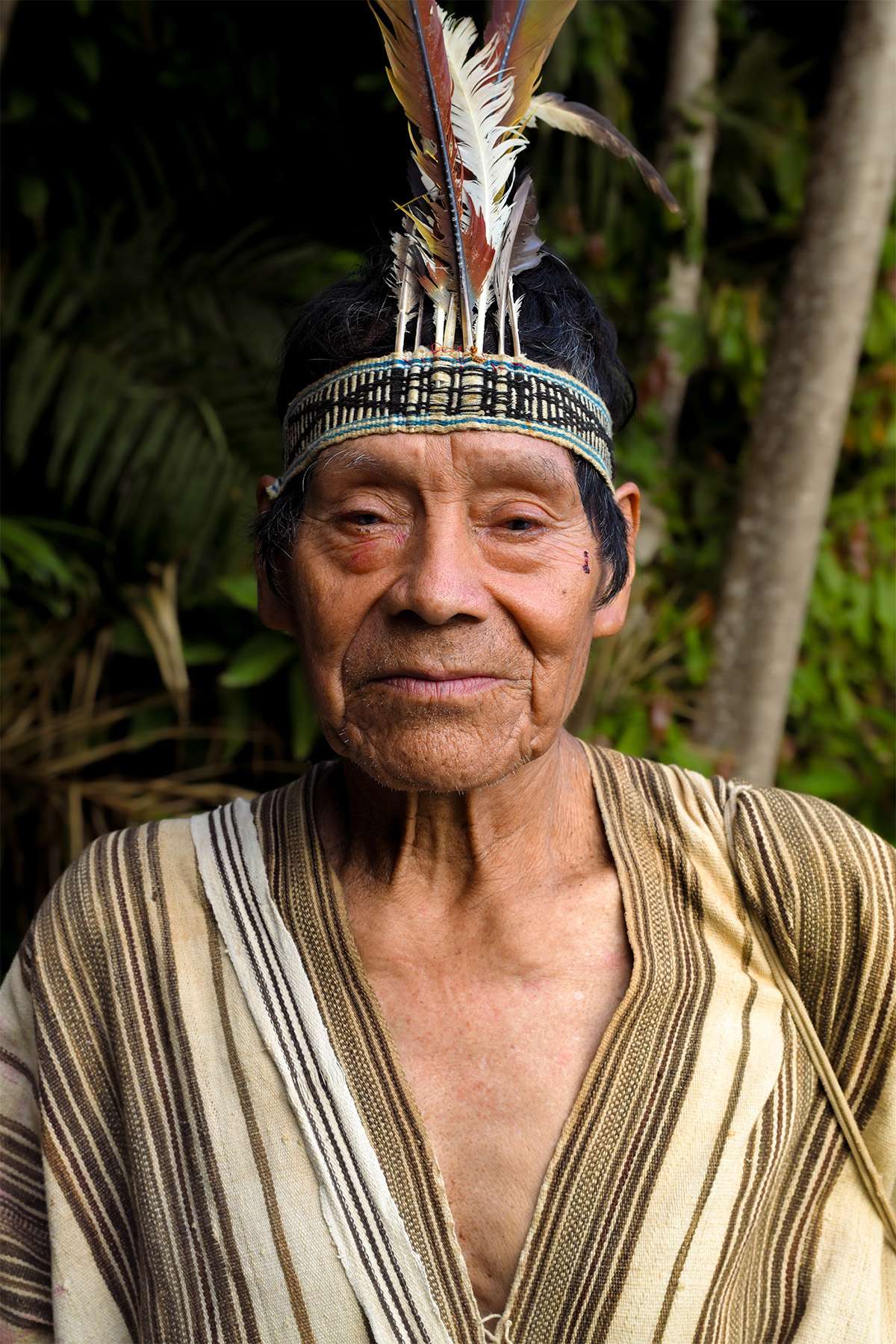
Matsigenka Tribe
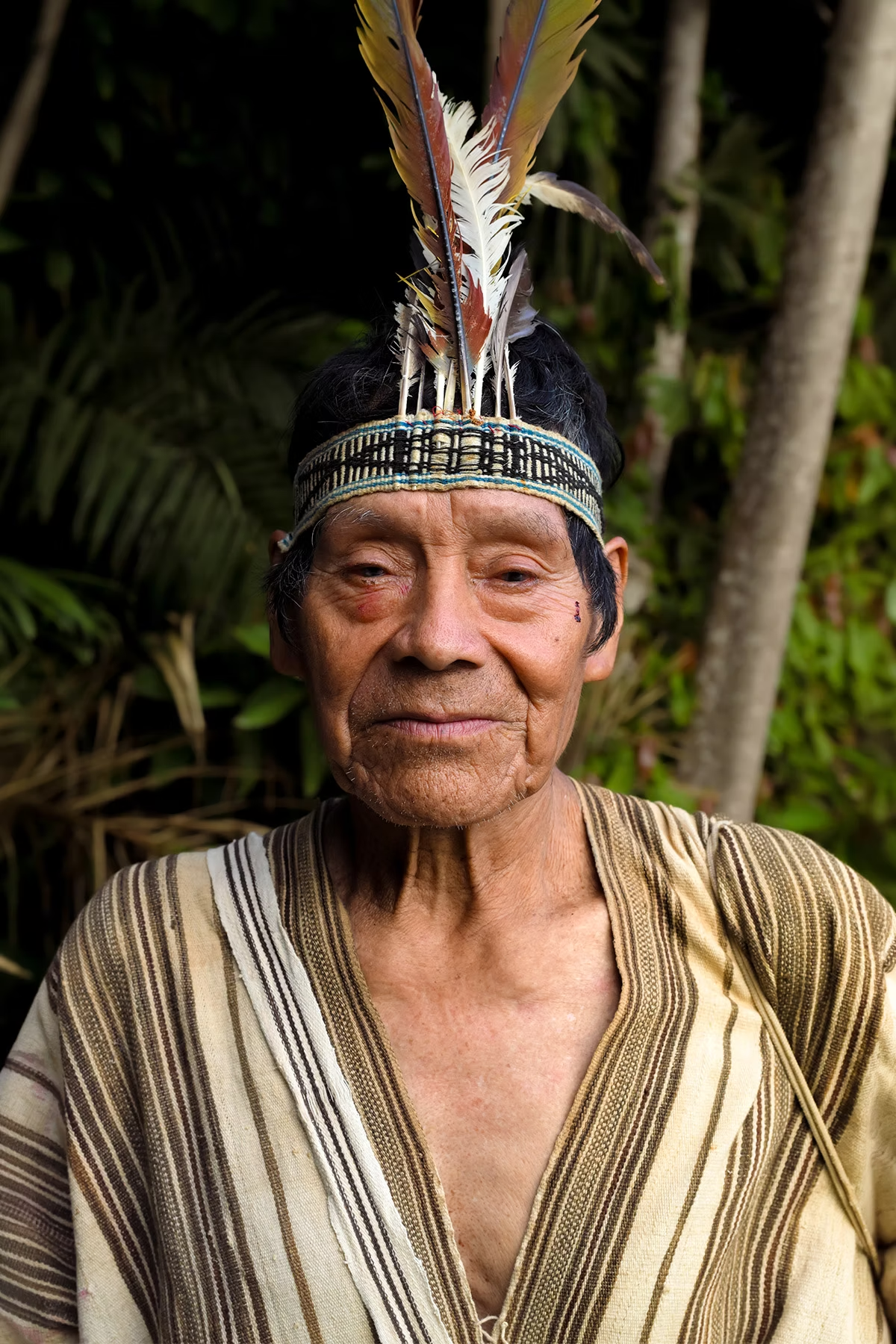
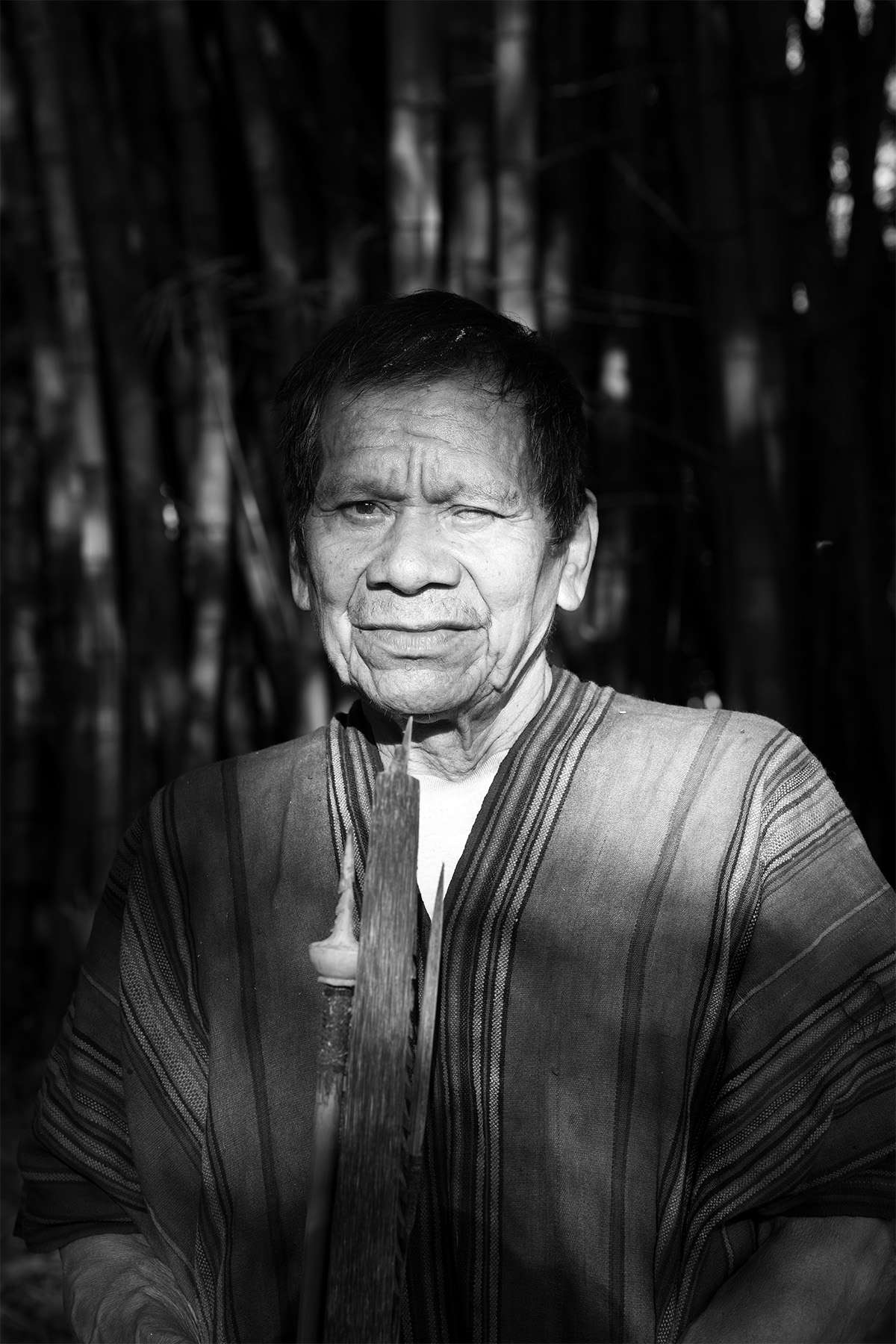
Máximo, the oldest wise man from the Matsigenka Tribe in Monte Carmelo
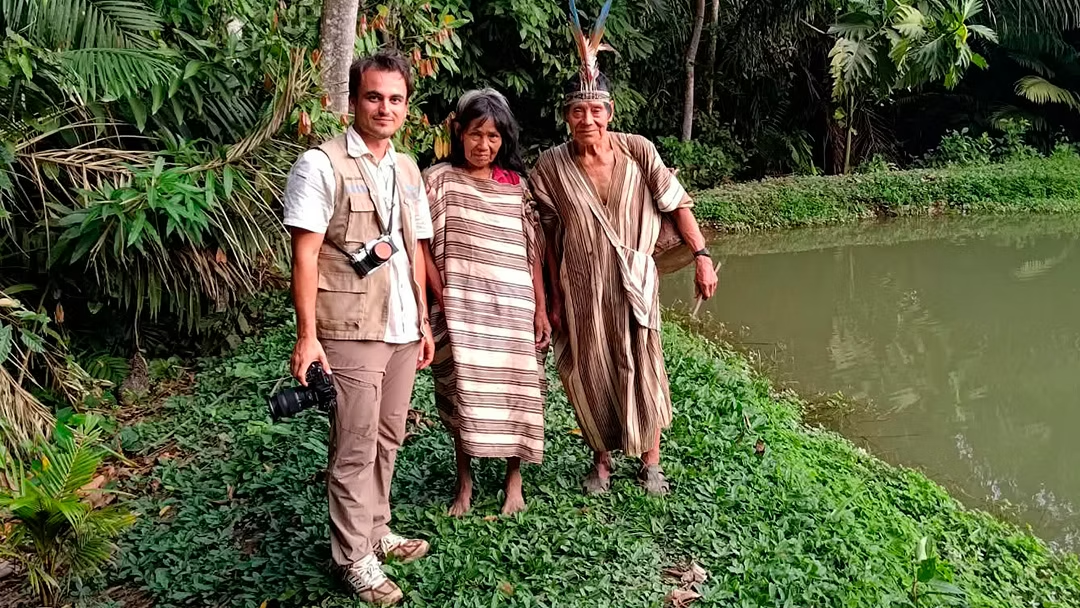
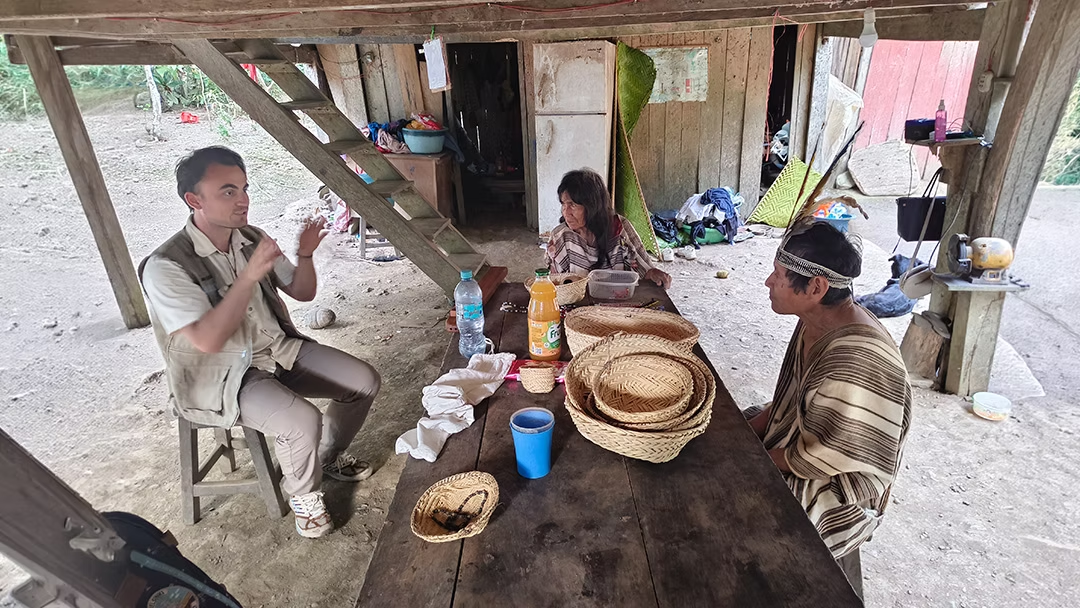
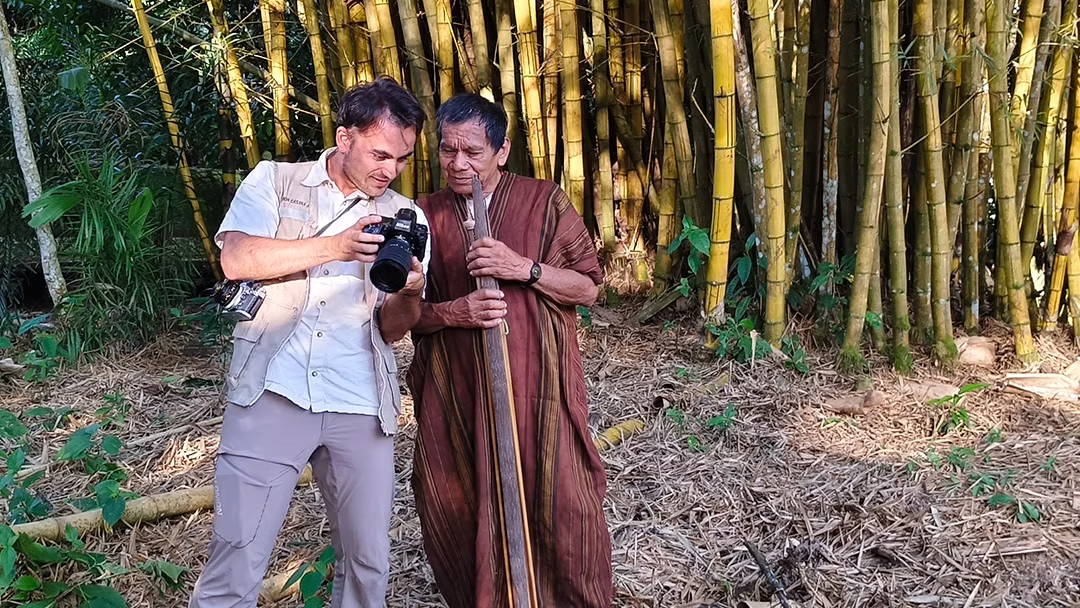
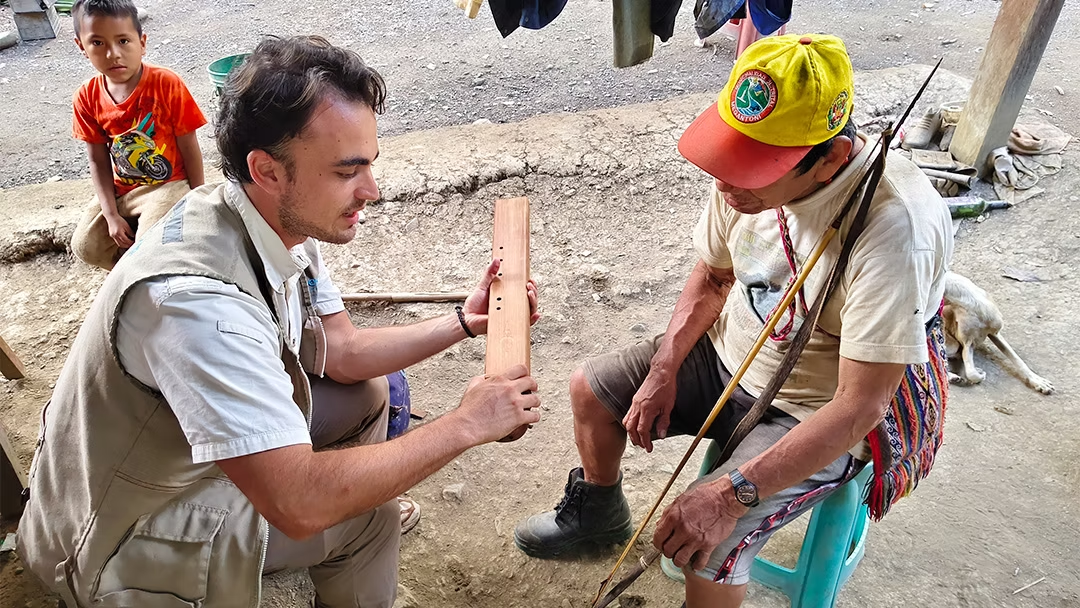
Máximo is 74 years old and is the oldest man in the Matsigenka community. He lives on the bank of the Urubamba River, in Monte Carmelo. Across the river lies the village of Ivochote.
On his chacra, he grows a large number of trees and plants native to the Amazon, using their fruits and roots for medicinal purposes. With each generation, ancestral knowledge of the forest's uses is being lost, and few members are able to identify a large number of plants and their effects on the human body.
For this reason, Máximo works with the students of the Monte Carmelo native school to pass on this knowledge and prevent it from being lost over time.
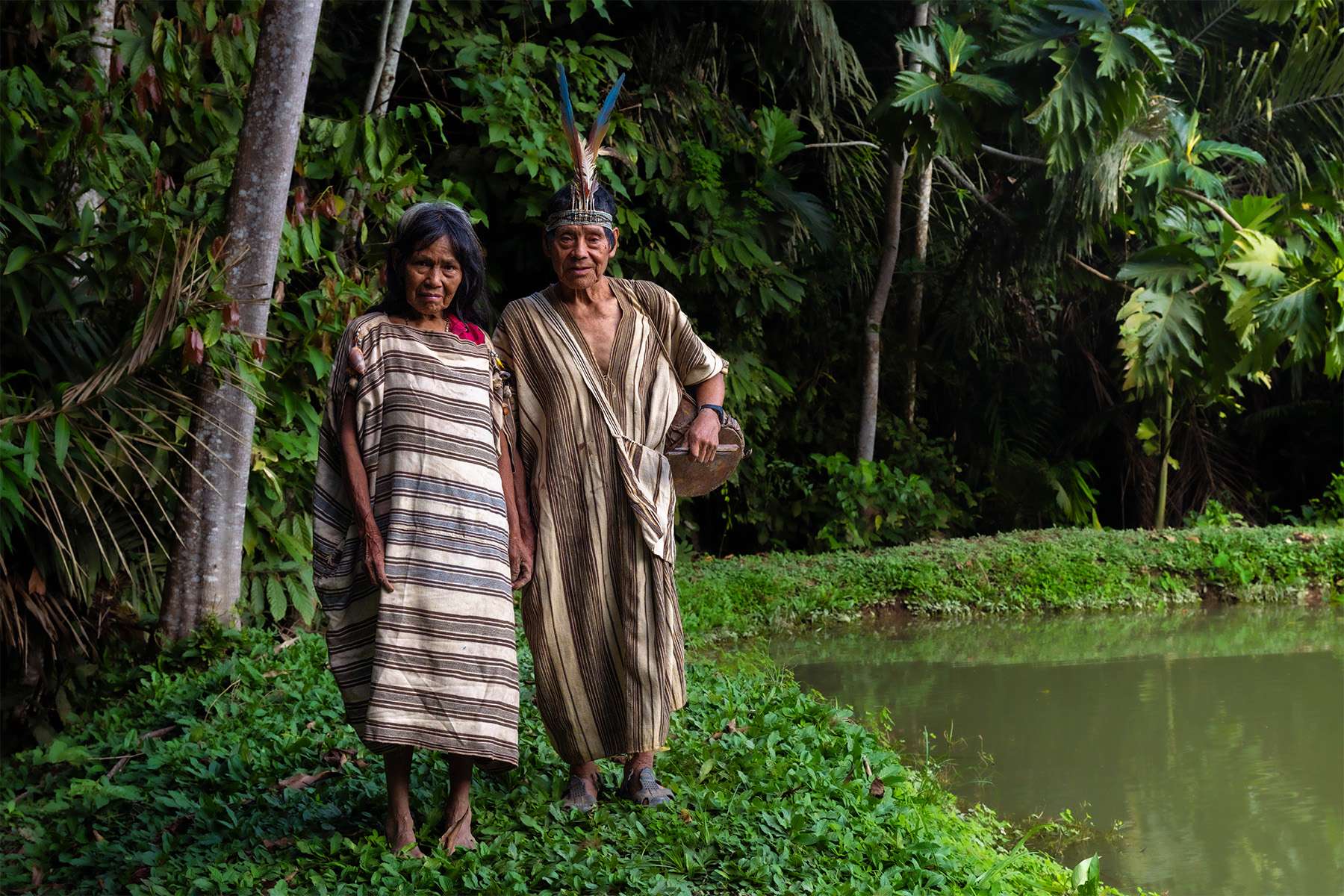
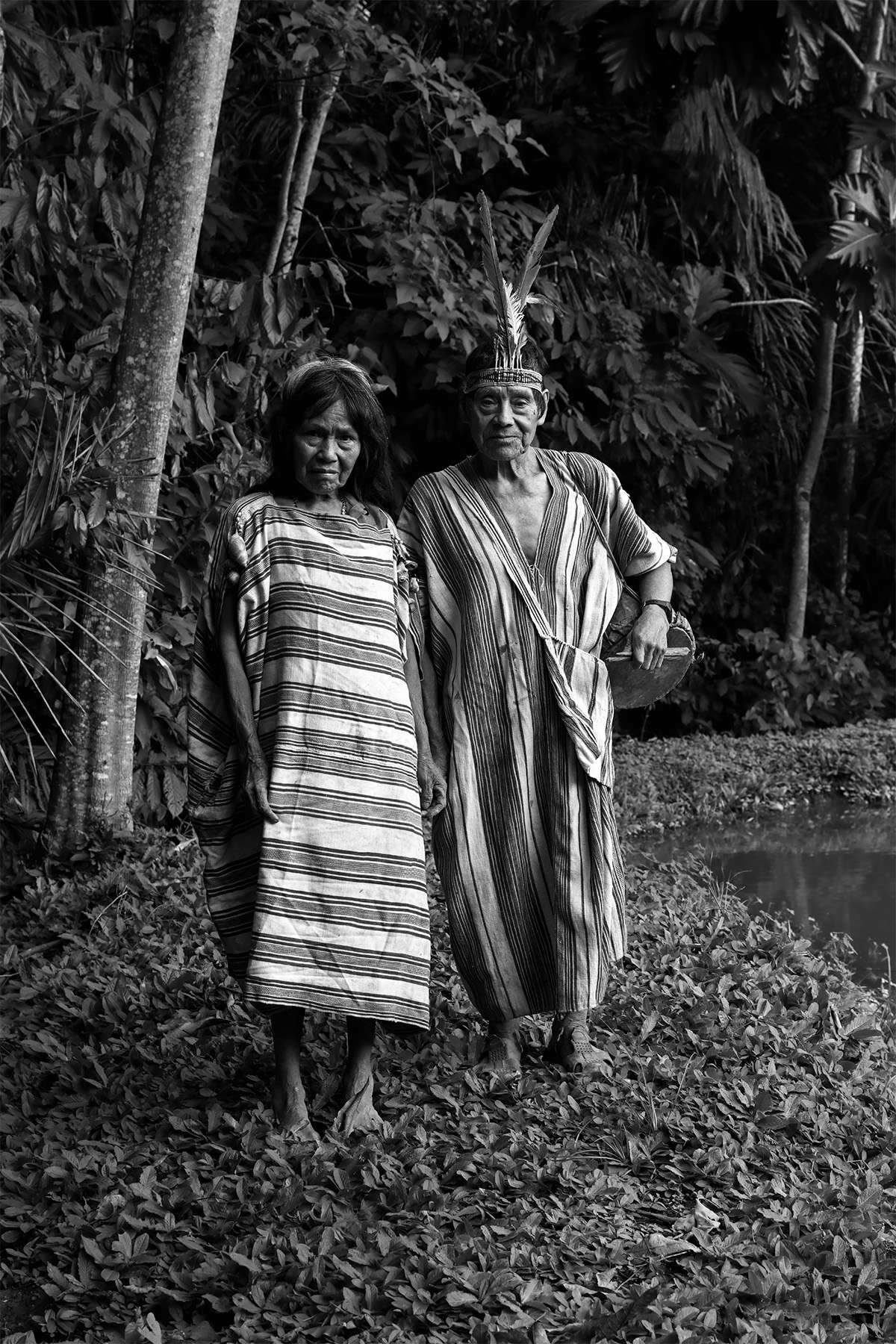
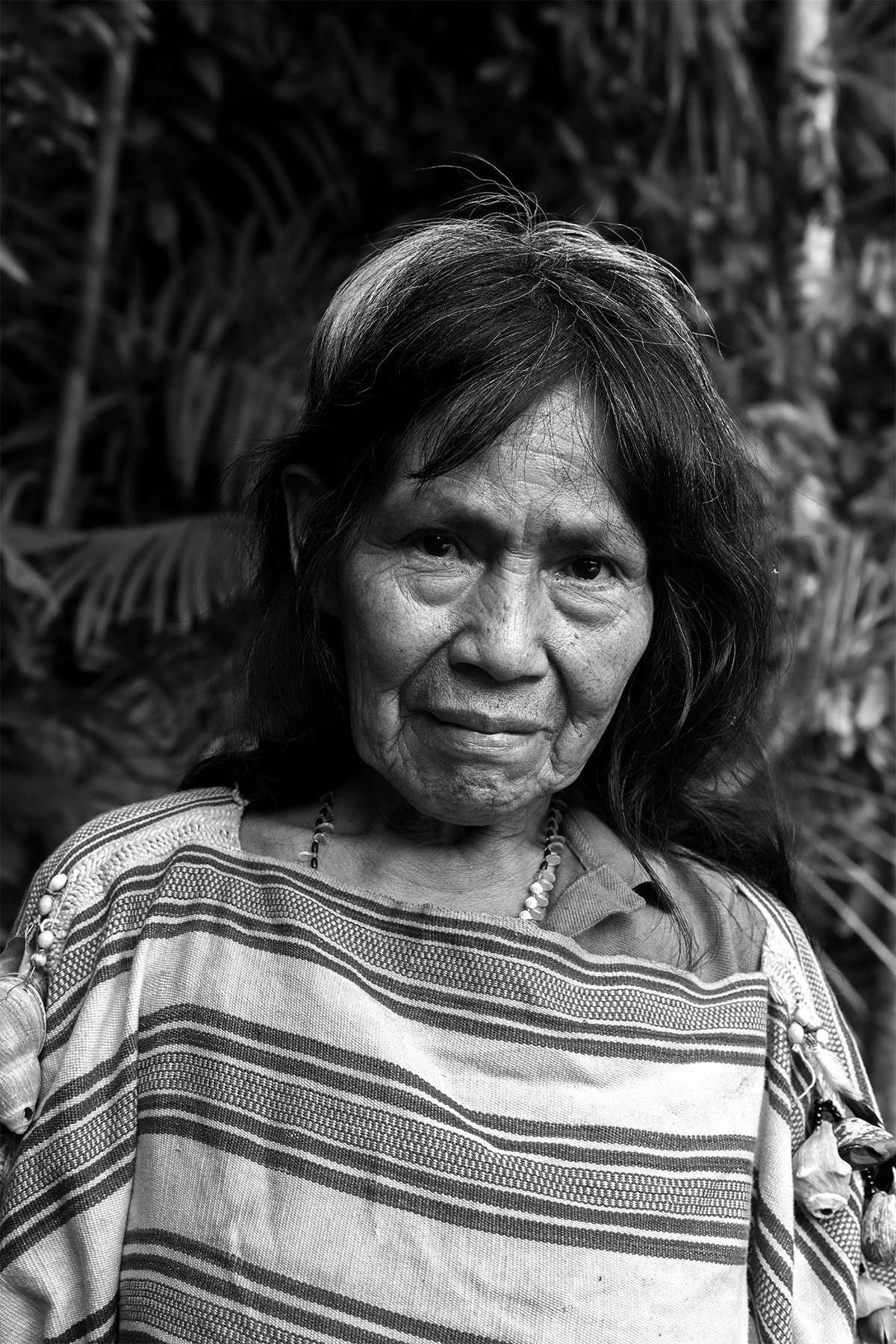
His wife, Florinda, continues to make handicrafts and handwoven garments using native cotton, which has a brown colour.
His half-brother, Salomón, aged 70, lives next to him. He is known for his skill in making bows and arrows using a type of local fibre very similar to wood taken from the chonta palm.
Both Máximo and Salomón play a traditional drum, which has two membranes, one made of monkey skin and the other of pig skin. When they play the drum, their wives join in with their singing.
After sharing some drinks and spending time together, we did a photo shoot with their traditional garments called cushmas, a type of poncho characterised by two features: the native cotton and the direction of the lines. Women's cushmas have horizontal lines, while men's have vertical ones.
Just as they showed me their instruments, I shared my music with them, the native flute I travel with and use to create new songs. Being able to meet them and share all these stories is part of a very special journey.
Before I saying good bye, Máximo asked me for one thing: knowing that I live in Switzerland, he asked me, if we meet again, to bring him one of those Swiss army knives, which would be very useful for his small day-to-day tasks.
On his chacra, he grows a large number of trees and plants native to the Amazon, using their fruits and roots for medicinal purposes. With each generation, ancestral knowledge of the forest's uses is being lost, and few members are able to identify a large number of plants and their effects on the human body.
For this reason, Máximo works with the students of the Monte Carmelo native school to pass on this knowledge and prevent it from being lost over time.
His wife, Florinda, continues to make handicrafts and handwoven garments using native cotton, which has a brown colour.
His half-brother, Salomón, aged 70, lives next to him. He is known for his skill in making bows and arrows using a type of local fibre very similar to wood taken from the chonta palm.
Both Máximo and Salomón play a traditional drum, which has two membranes, one made of monkey skin and the other of pig skin. When they play the drum, their wives join in with their singing.
After sharing some drinks and spending time together, we did a photo shoot with their traditional garments called cushmas, a type of poncho characterised by two features: the native cotton and the direction of the lines. Women's cushmas have horizontal lines, while men's have vertical ones.
Just as they showed me their instruments, I shared my music with them, the native flute I travel with and use to create new songs. Being able to meet them and share all these stories is part of a very special journey.
Before I saying good bye, Máximo asked me for one thing: knowing that I live in Switzerland, he asked me, if we meet again, to bring him one of those Swiss army knives, which would be very useful for his small day-to-day tasks.